Volume is a term that is used a lot when it comes to investing, but what does it mean for traders? It is an indicator of how many shares of a stock are being bought and sold in a given time period. Anytime a share of a stock is bought, it must also be sold by a seller as there are a finite number of physical shares. In terms of CFD trading, volume is a reference to how many contracts are bought and sold since no physical shares are held by any buyer or seller. Because of this, CFD trading volume numbers do not always reflect how the underlying stock is trading.
Volume is related to price movements and liquidity for physical stocks. When trading volume is low, the stock is less liquid and price movements tend to be less volatile. The opposite is true when trading volume is higher. Daily average trading volume is often used in technical analysis to show how significant a move is and where entry and exit points may be found.
The best way to understand how to read stock volume is by looking at an example. Volumes in stocks are quite simple to use in analyzing physical stocks since you can easily compare trading volume from session to session. You can even take an average daily trading volume from each day over a given period of time like the past 30 days. Let’s say a stock has a daily average trading volume of 50 million shares. During yesterday’s session, that stock gained 10% and saw a daily trading volume of 80 million shares. We can deduce that the higher trading volume was bullish as the stock gained 10%, and that investors were buying shares, perhaps from an announcement from the company.
In CFD trading, volume is calculated in very much the same way except it is the number of CFD contracts that changes hands not physical shares. The CFD contracts are not included in the daily trading volume of the stock, as CFD trading speculates on the price difference from an entry and exit position, rather than the actual stock price movement. This distinction is important for traders using a stock trading broker, since stock and CFD data will not always match.
Volume is an excellent indicator of market interest in that particular stock. For example, during the short squeeze of meme stocks like GameStop (NYSE:GME) and AMC (NYSE:AMC), we saw record levels of daily average trading volume. An incredibly large amount of shares were changing hands throughout those sessions, which is why we witnessed such large gains and drops in those stock prices.
In technical analysis, stock volumes are a great way to know at what price levels people are holding shares at. This is often called a volume shelf on technical analysis charts and can indicate upcoming volatility.
What volume can show traders:
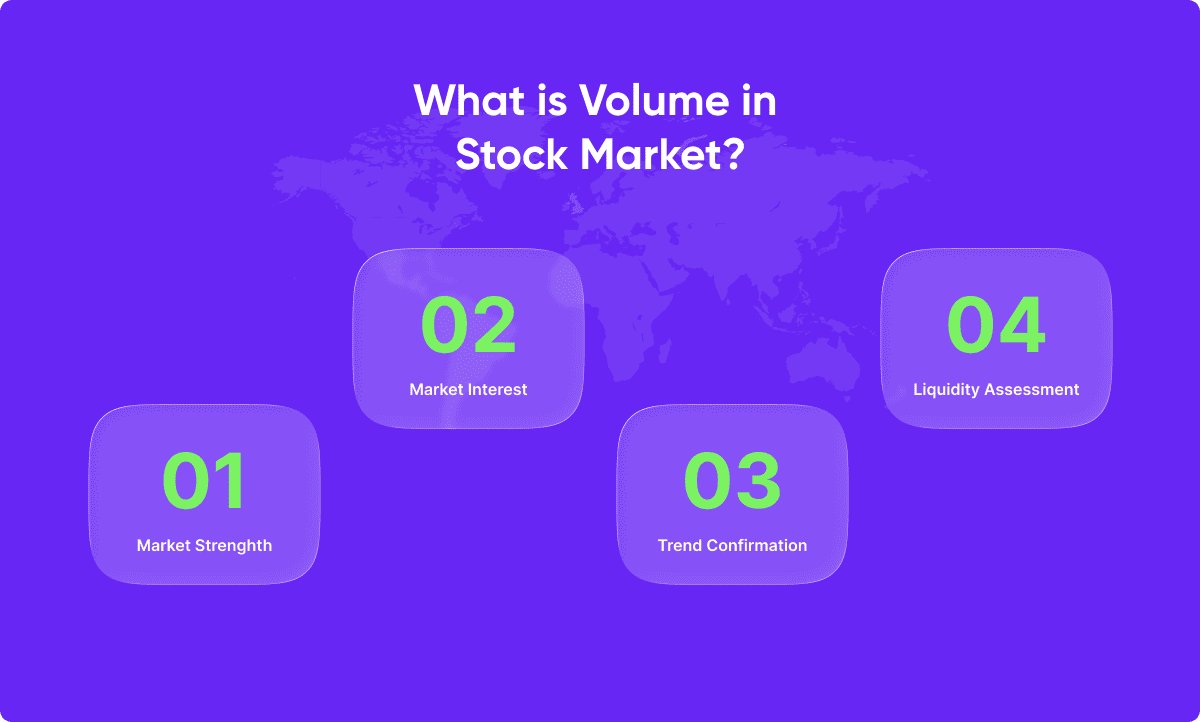
Volume is a past performance indicator and is generally not indicative of what will happen in the future aside from the volume shelves mentioned in the previous section. In CFD trading, contract volume can tell us how many contracts are traded, but it doesn’t illustrate how many traders are actually interested in the stock. For example, if 500 CFDs change hands, we don’t know if it was five traders trading 100 CFDs or one trader trading 500 CFDs. Since CFDs do not involve ownership of the shares, volume here is less reliable for gauging market sentiment.
Trading volume is quite simple to calculate as it is quite literally just the number of physical shares that changed hands over a specified period. Volume is usually calculated per day and then per short-term period like 30-days to get the average per session. For CFDs, it is the total number of CFDs that are bought or sold on that day. One CFD contract is equal to one physical share, so once again it is quite simple to calculate CFD trading volume.
Quick comparison of stocks vs CFDs:
If your CFD trading broker provides access to volume charts, you’ll get a visual of trading volume for a particular asset. A volume price trend indicator chart or VPT is often used in technical analysis as a comparison of how the stock’s price moved given the different levels of daily trading volume. These are used by traders to determine exit and entry points, as well as charting areas of support and resistance. This is true across markets, whether someone is working with a forex trading brokerage or trading digital assets on a cryptocurrency trading platform.
There are several indications of high trading volumes for a stock. The single best giveaway that a stock is experiencing higher than average trading volume is that the stock is making a large price move in one direction or the other. In CFD markets, sudden spikes in trading volume often occur when the underlying asset is volatile, helping traders anticipate where consolidation or breakout levels might form.
Eurotrader doesn’t represent that the material provided here is accurate, current or complete, and therefore shouldn’t be relied upon as such. The information provided here, whether from a third party or not, isn’t to be considered as a recommendation; or an offer to buy or sell; or the solicitation of an offer to buy or sell any security, financial product or instrument; or to participate in any particular trading strategy. We advise any readers of this content to seek their own advice.